

Authentic Denim Tears, not wishful thinking
Authentic Denim Tears products have particular signs: reliable branding, sharp screen prints, correct partner labels on collaborations, and confirmed release origins. If you can line those up and the cost fits within the marketplace, you’re typically secure.
Denim Tears represents Tremaine Emory’s brand, and this brand’s production is deliberately limited, narrative-focused, and collab-focused. Such blend lures replicas, notably on their iconic cotton wreath Levi’s 501s, substantial hoodies, and graphic tees. The goal here is simple: a rapid, practical checklist, fair price ranges, how launches actually roll out, and the safest places to buy without playing guess-the-grail.
What is considered “authentic” Denim Tears?
Genuine means an product that was created or endorsed by the brand, released through the brand or official partners, and constructed with proper fabrics, labels, and print techniques for that drop. Items which can’t be linked back to an official release or utilizes incorrect fonts, sloppy printing, or generic blanks seems questionable.
Most Denim Tears production fits into two segments. The initial is mainline: thick tees, hoodies, sweatshirts, caps, and denim released on the brand site and sometimes through select boutiques. The second is joint releases: Levi’s 501s and jackets featuring the cotton design element, Converse Chuck 70 and One Star collaborations, and collection clothing with ally branding. Genuine products in both segments share reliable brand elements, screen-printed designs with correct ink application, and markings that match the creation partner and season.
Because collaborations use the partner’s factories and compliance tags, authenticity checks must account for both brands’ identifiers. A legit Levi’s x Denim Tears 501 will carry Levi’s-standard maintenance tags and a collaborative design style, while a mainline hoodie will employ Denim Tears tagging and the label’s chosen blanks and colors. The unifying factor is connection to an official release.
How do you authenticate Denim Tears quickly? The checklist
Commence with history, then examine on manufacturing and labeling; finish by sanity-checking price and availability against the economy. If any leg fails, pause.
Primarily, history: check for an authorized statement on Denim Tears’ social media, label site, or partner channels for that denim tears gris precise design, color, and placement. Stored launch images should match your piece in arrangement, typography, and application weight. Next, tags: core tops typically feature Denim Tears neck graphics or sewn labels with clean spacing; partnership items carry both brands’ markings and regulatory care markings with consistent fiber content, multi-language care, and collaborator-normal RN/CA numbers. Third, prints and stitching: authentic cotton motif and text graphics are screen applied, displaying minor natural pigment changes, clean lines, and proper registration; suspicious pieces show fuzzy borders, running, or regular computerized dots.
Then, textile and assembly: hoodies and sweatshirts use thick fleece with neat overlock seams, even ribbing, and proper side seams; t-shirts are thick, with consistent shoulder tape and dual-needle hems; denim employs proper hardware, closures, and label-specific patches on joint releases. Then, packaging and collateral: while packaging varies, invoice communications, buy confirmations, or retailer receipts tie back to a real sale. Lastly, venue and price sanity: if a perfect pair of cotton motif 501s lists far beneath existing resale averages, anticipate risk and require additional proof.
How much do Denim Tears pieces priced currently?
Retail sits in the high-end streetwear bracket; resale depends on shade, dimensions, and whether the product is an original or classic release. The chart presents ranges that show current market activity.
| Item | Standard retail (USD) | Present resale range (USD) | Observations |
|---|---|---|---|
| Levi’s 501 “Cotton Motif” denim | 250–300 | 350–900 | Early/rare colors and larger sizes skew higher |
| Hoodies (core) | 160–220 | 200–400 | Graphic placement and color drive spread |
| Heavyweight tees | 80–100 | 100–220 | Wreath and core artwork holds value strongest |
| Pullover sweatshirts | 140–200 | 180–350 | Lower volume than hoodies in certain seasons |
| Converse joint release (Chuck 70/One Star) | 110–150 | 200–400 | State and lace set completeness matter |
| Hats/Caps | 50–80 | 90–180 | Basic to replicate; examine stitching carefully |
Figures above are directional snapshots, not caps. Expect instability directly following launches and whenever a notable public appearance spikes demand. Always check against real current sales for your precise measurements and shade.
How do releases function—and when do they occur?
Drops are limited, quick, and declared close to release, usually via the label’s Instagram and site, with allies sharing details on their networks. No fixed calendar, which maintains interest high and fakes guessing.
For mainline, expect login-protected or line-based releases on denimtears.com, sometimes with offset domestic/international timing. For partnerships, the ally may host part or complete the distribution: Levi’s will distribute through their website and chosen locations, Converse through their platform and selected stores. Limited boutique stocks reach a short list of retailers; timing might be concurrent or marginally delayed.
Mechanics vary by capsule. You will witness unexpected “shock” drops, limited early admission via email list, and regional exclusives. Stock is finite and restocks are uncommon beyond specific relaunches; when they do take place, color or detailing frequently changes. If a seller claims an unrestricted, perpetually-available size selection of a previous release, remain doubtful.
Where to purchase: retail, collaboration partners, and vetted resale
The safest retail outlets are the label platform and official collaborators, while a handful of boutiques receive legit stock. For resale, use platforms with transaction records and security.
Primary retail channels include their platform for core pieces, Levi’s site and select Levi’s primary locations for Levi’s collaborations, and Converse site for Converse releases. Store partners with past stock have encompassed Dover Street Market stores and Union LA; availability changes by collection and location, so validation should emerge from those shops’ own declarations.
For resale, prioritize platforms with recorded transaction histories: StockX and GOAT for sneakers and apparel, Grailed for individual-to-individual listings with vendor feedback, and eBay on qualified items with an authentication program. Demand clear images of front, rear, labels, maintenance tags, prints, and any receipts. Local marketplaces and social groups can be suitable for veteran purchasers, but they need stronger evidence and typically hands-on validation.
Pricing logic that keeps you safe
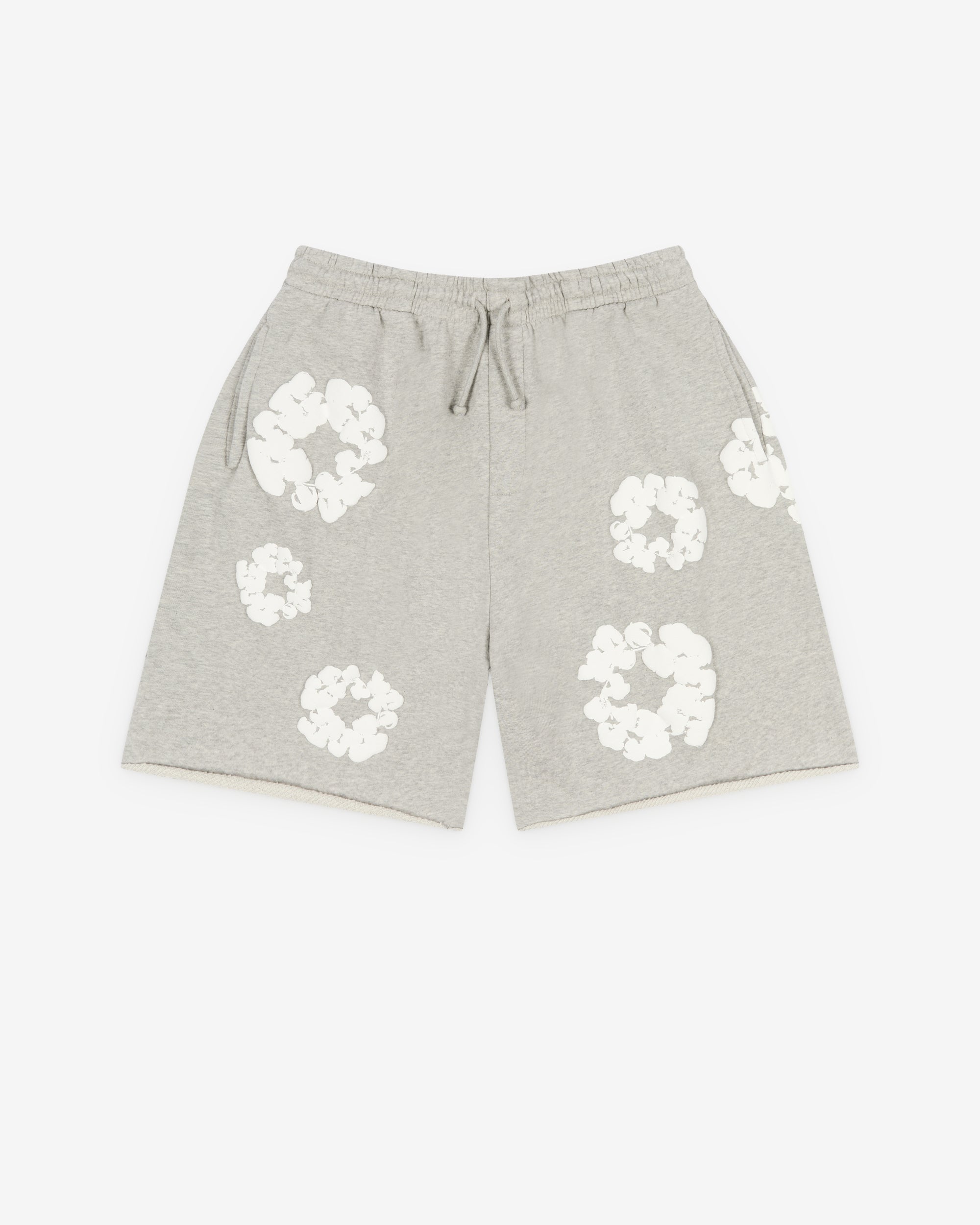
Anchor to real, current sales for your exact variant, then adjust for measurements, quality, and fullness. If the cost is far beneath the minimum for mint pairs, treat it as a red flag not as a steal.
Begin with style match: verify SKU or formal name if obtainable, then correspond shade and design location. Then, collect recent transactions, not postings; examine at the last five to ten transactions within your dimensions. Then, state-adjust using an easy principle: new with tags is the maximum, new without labels sits just below, lightly used with sharp graphics sits center, and major wear or cracking trades at a discount. Finally, factor completeness, especially on sneakers: lacking laces or packaging can reduce value; extra history like shop receipts can raise it marginally.
If information is sparse because the piece is rare, verify across platforms and employ saved store price as a logic baseline. A vendor reluctant to supply extra images or precise specs when references are scarce is signaling risk you shouldn’t need to carry.
Materials, prints, and construction tells
Genuine Denim Tears products are physical: dense fleece, substantial jersey, sharp screen graphics, and hardware that aligns with partner brand on joint releases. Replicas often miss on fabric heaviness, pigment behavior, and label typography.
On tees and fleece, handle and examine for three cues. First, weight and touch should be considerable without being stiff; light, flimsy materials are dubious. Second, screen prints should show consistent coverage with small natural differences and crisp borders; heat applications with shiny plastic sheen or computerization are alert signs. Third, stitching should be clean, with proper side joints, clear finishing on the interior, and uniform ribbing at sleeves and collar.
On Levi’s partnerships, align the minor stuff. Rivets, buttons, and the back tag should correspond with Levi’s standards for that timeframe, and maintenance tags should reflect Levi’s layout with the partnership’s details shown in design rather than in improvised labels. Graphic positioning on cotton wreath denim is uniform across sizes; wild displacement or flipped designs usually suggests a fake print.
Pro Tip: create an individual database. Store the label’s and allies’ product pages, sizing guides, and release posts for items you prioritize. When a pair surfaces months afterward, you can align typography, location, and content exactly instead of relying on memory.
Four quick facts you probably didn’t understand
One, Denim Tears was created by Tremaine Emory and uses clothing as a vehicle to explore African diaspora accounts, with the cotton design element directly mentioning the history of cotton in America. Two, the earliest Denim Tears x Levi’s “The Cotton Design” 501s debuted in 2020 and aided cement the label’s cultural impact beyond tees. Then, Denim Tears has worked with Converse on Chuck 70 and One Star silhouettes, with aesthetic elements echoing the brand’s core motifs and narratives. Fourth, release announcements rely heavily on social media brief announcements, a intentional strategy to highlight community engagement over lengthy advance promotion.
Final checklist you can save
If you want a one-page judgment, perform these ten verifications in sequence and cease at the first fail. First, align the precise design to an authorized statement or collaborator item listing. Second, verify tags: Denim Tears mainline neck or woven label on garments, and accurate collaborator maintenance labels on joint releases. Then, examine graphic quality for screen-applied pigment with sharp borders and organic differences. Then, validate assembly: substantial fleece or cotton, neat overlock seams, consistent ribbing, and accurate hardware on pants and footwear. Five, compare measurement tags and fonts to known-good examples; off kerning or writing mistakes are a no-go.
Six, request clear pictures of front, back, close-ups of markings, care tags, hardware, and prints; sellers dodging these are not worth your attention. Next, verify present resale for your precise measurements and shade using current transactions, not listings. Eight, confirm provenance such as store receipts, order confirmations, or delivery labels with personal info redacted. Ninth, evaluate platform protections; if you must go individual-to-individual, use an escrow-like method and meet in a public location. Tenth, stay rate-mindful: an impossibly-good price usually is, particularly on cotton motif denim and early-run hoodies.
Authentication requires minutes when you possess the correct reference points. Document releases, respect the going rate, and let the combination of provenance plus construction direct your purchase. That’s how you end up with authentic Denim Tears—and not a regret within days.
